QW Modules

QW Modules

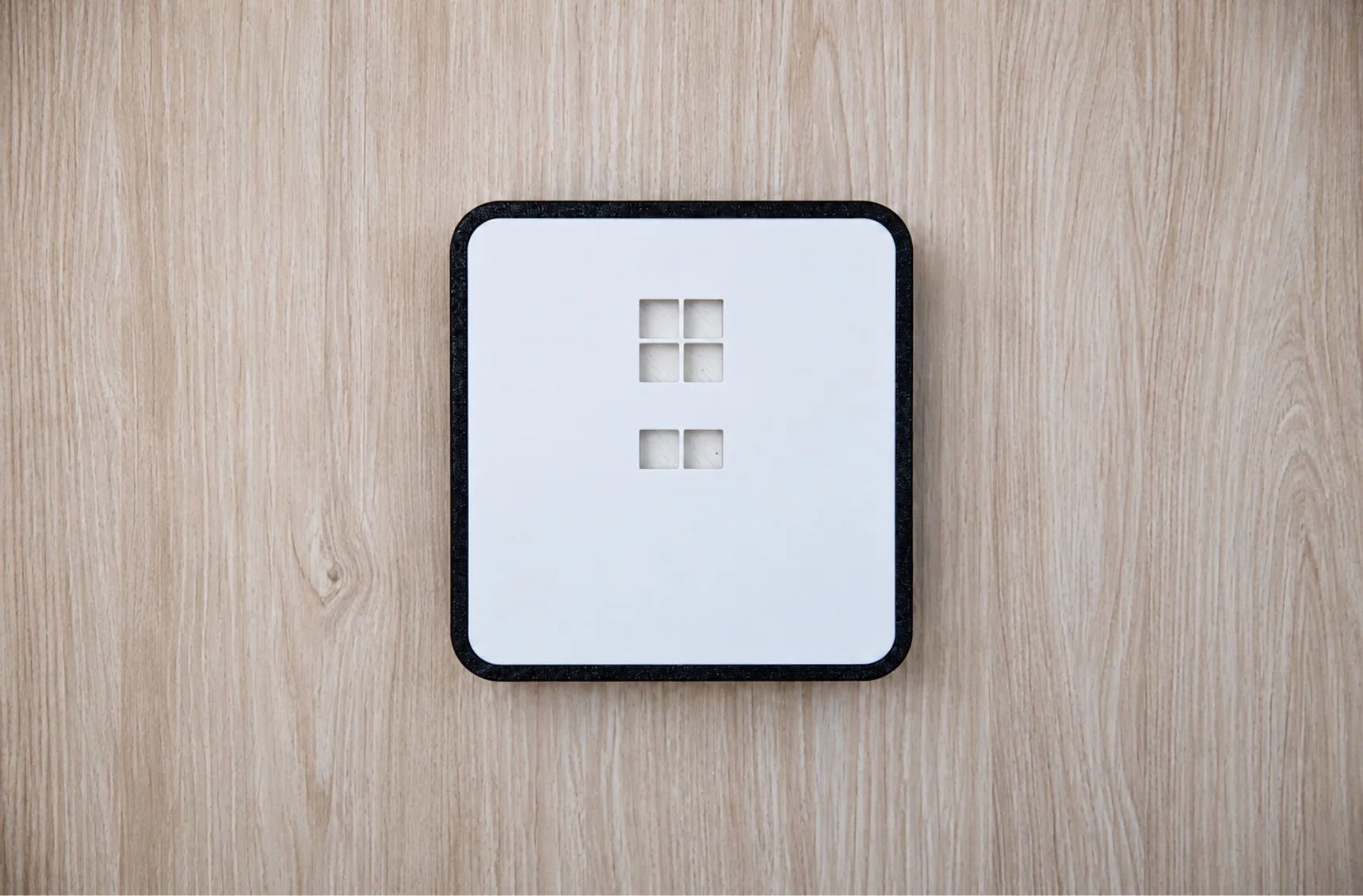
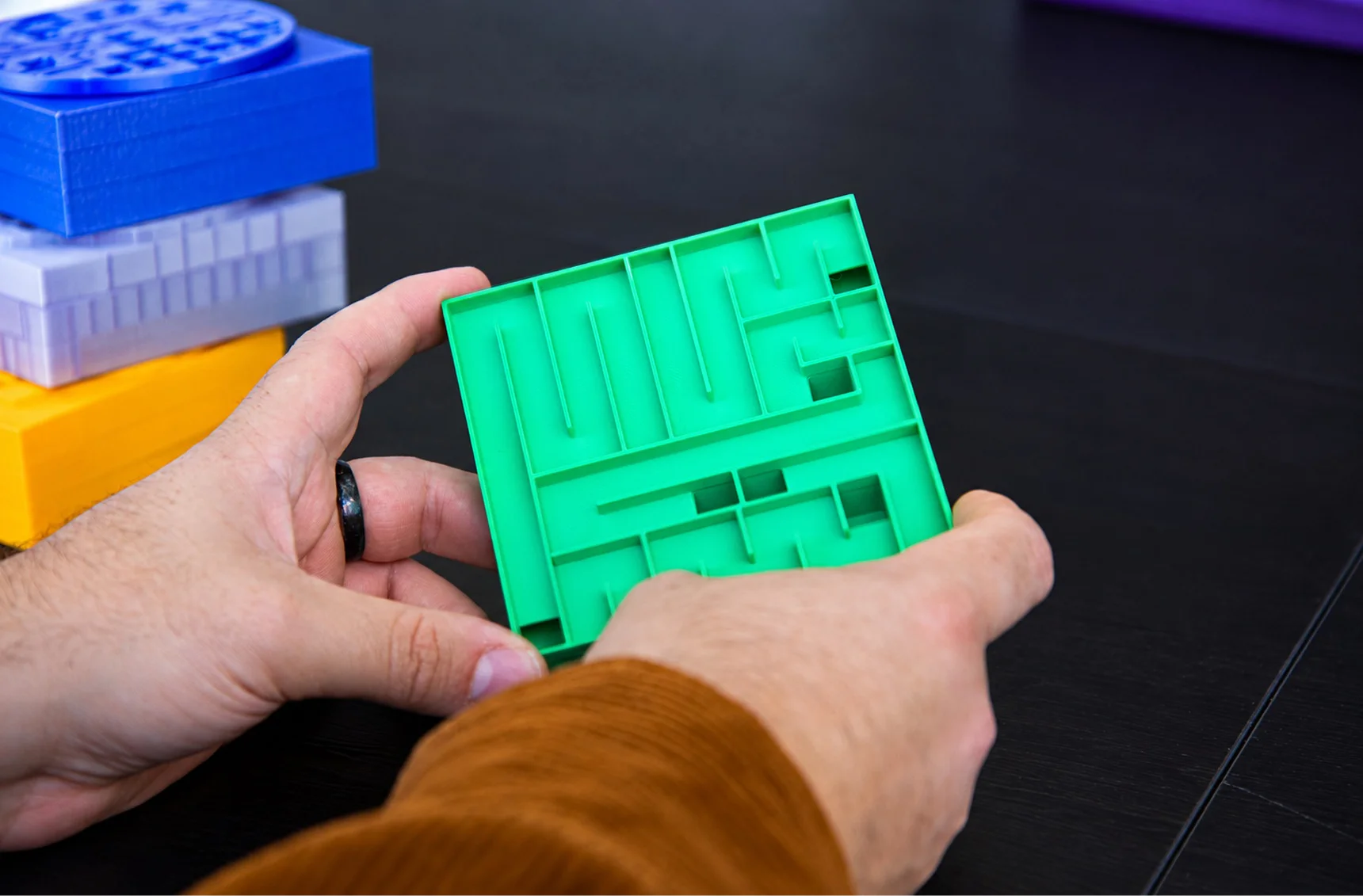
QW Modules consist of an array of resonators: the arrangement of their geometry is key to achieving targeted absorption with minimal thickness.

We custom-design each module to meet your specific requirements in order to comply with all of your specifications: target frequencies, available surface area and thickness, operating environment, material, and design requirements.

Features

Key Benefits

  • Targeted absorption of a frequency range
  • A compact solution with a reduced thickness, down to approximately λ/30 in some cases
  • Adaptable to specific shapes thanks to 3D printing
  • Selection of materials based on constraints

Technical Specifications

  • Typical architecture: three layers of quarter-wave resonators
  • Approximate thickness: about 1 cm per coat
  • Approximate weight per unit area: 5 to 10 kg/m², depending on the material and geometry
  • Washable solution depending on the material chosen

Physical Principle

QW Modules use acoustic resonance to precisely target the frequencies to be absorbed. The geometry of the cavities determines their resonance frequencies and allows their acoustic response to be tailored. At resonance, acoustic energy is concentrated in the air movements within the resonator, where visco-thermal effects dissipate a portion of it, thereby achieving effective absorption.

Typical Applications

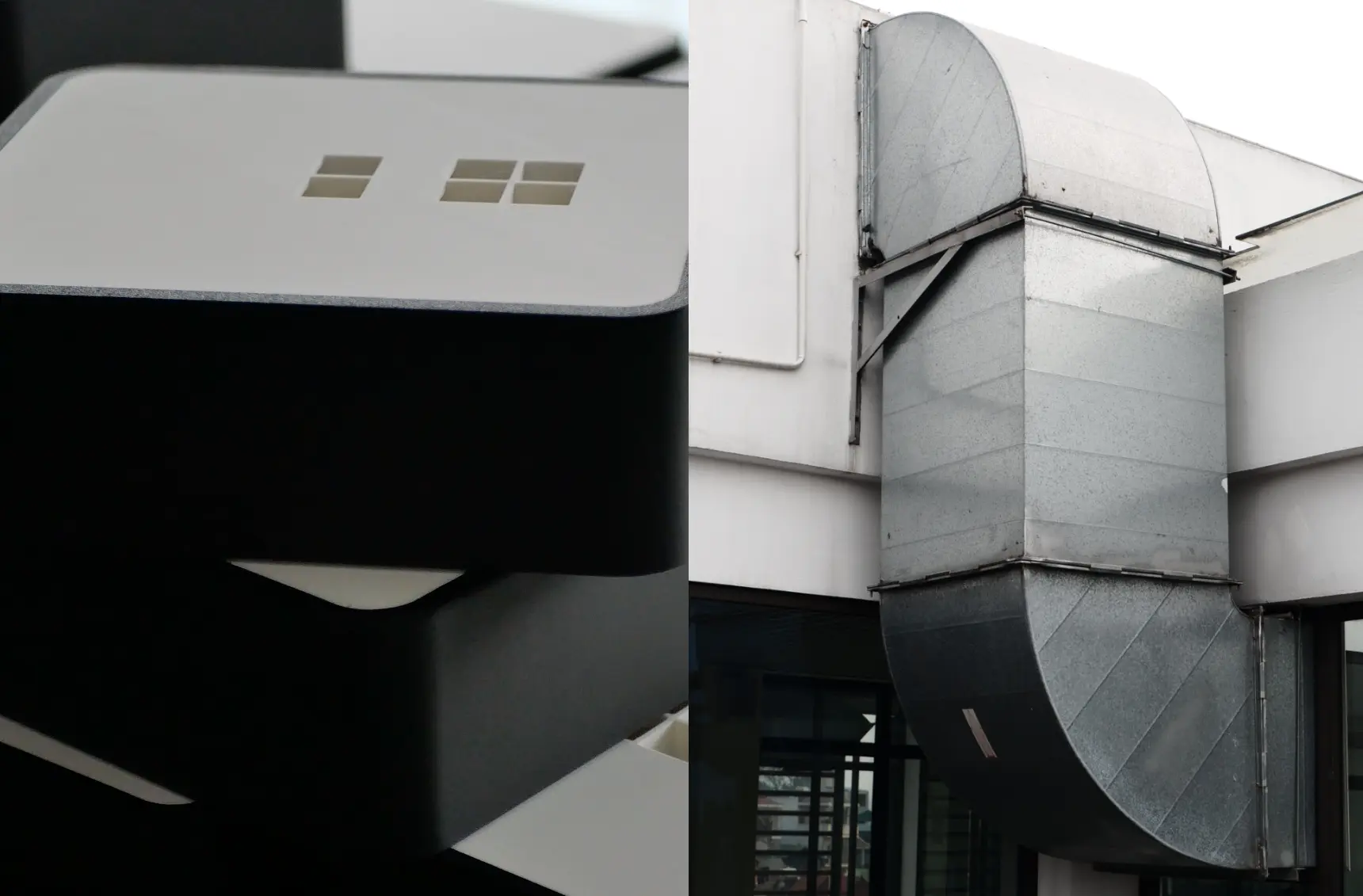
QW Modules - Building Applications

  • Meeting rooms, offices, and shared workspaces
  • Phone booths, cabins, and small, confined spaces
  • Restaurants, cafeterias, break rooms, and reception areas
  • Listening rooms and spaces requiring enhanced acoustic comfort

QW Modules - Duct Applications

  • Utility rooms and machine rooms with high noise levels
  • Ducts, conduits, and ventilation systems requiring local treatment
  • Enclosures, housings, and integrated equipment in confined spaces
  • Specific configurations with targeted low-frequency processing

QW Modules can be produced in small batches using 3D printing directly on our premises, ensuring agile and controlled production. Depending on volume, materials, and project requirements, other manufacturing processes may also be considered.